Abstract Flower Vector: Graphics and Illustrations for Creative Design
As a graphic designer with years of experience in branding, packaging, and digital design, I always look for versatile and meaningful design assets that can elevate a project. The Abstract Flower Vector is one such asset that offers both aesthetic appeal and symbolic depth. Its organic form and flowing lines make it ideal for a wide range of creative projects, from handmade brands to commercial design.
First Impressions: A Visual Statement of Interconnectedness
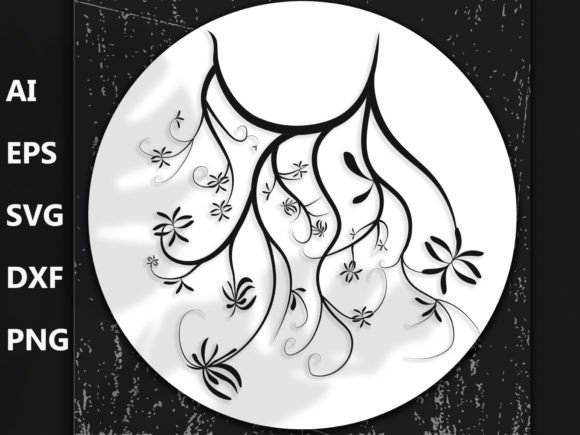
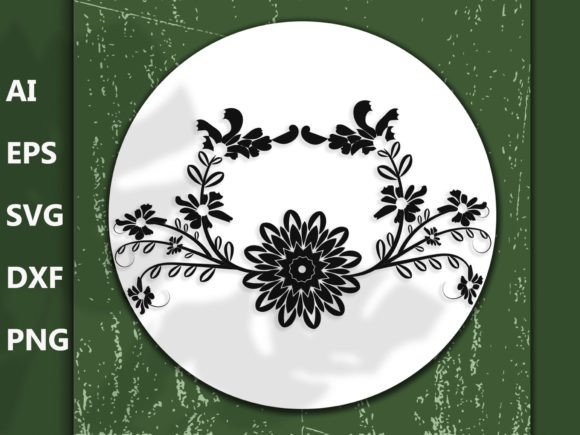
The Abstract Flower Vector immediately catches the eye with its elegant, fluid shape. It feels like a natural extension of nature’s patterns, evoking a sense of calm and harmony. This design isn’t just decorative—it carries an emotional weight that can enhance the mood of any project. Whether used as a background element or a focal point, it adds a layer of sophistication that feels authentic and timeless.
This illustration fits well with brands that emphasize mindfulness, sustainability, or artistic expression. It works particularly well for small businesses, handmade product lines, or seasonal campaigns looking to create a warm and inviting visual identity.
Real-World Applications: From Brand Identity to Social Media Graphics
In real design situations, the Abstract Flower Vector proves to be a flexible graphic design asset. It can serve as a logo design element, a brand identity component, or a decorative accent in product labels and packaging design. Its minimalist yet intricate style allows it to blend seamlessly into various design contexts without overpowering other elements.
For example, in a t-shirt design or mug print, this vector can act as a subtle but impactful motif that reinforces the brand’s visual language. In social media graphics or Canva templates, it can be used as a hero graphic or background element to add visual interest and cohesion.
It also works well in editorial design, blog visuals, and digital ads where a touch of organic beauty enhances the overall composition. For Cricut users or printable wall art creators, the Abstract Flower Vector offers a clean and scalable SVG design that translates well into physical formats like stickers, invitations, or promotional materials.
Where It Shines: Large Layouts and Themed Campaigns
The Abstract Flower Vector excels in large layout areas, where its scale and detail can be fully appreciated. It’s perfect for product mockups, campaign visuals, and themed collections that require a cohesive and visually rich design. As a decorative accent, it can bring life to packaging details, website graphics, or printable designs without overwhelming the viewer.
It also pairs well with other design elements like typography, textures, and color palettes. When used in a design bundle, it can serve as a key visual component that ties together multiple assets, making it a valuable addition to any creative marketplace collection.
Where to Use With Caution: Minimalist and Corporate Projects
While the Abstract Flower Vector is highly versatile, it may not be the best choice for every project. In minimalist branding or professional corporate materials, its complexity could clash with a clean visual hierarchy. Similarly, when placed on crowded layouts or low-contrast backgrounds, it may lose its impact and become distracting.
For small business branding or commercial design that requires a strong, clear message, this vector might need to be paired carefully with other elements. It’s important to test it at different sizes and on various backgrounds to ensure it maintains its integrity across all applications.
Design Considerations: Readability and Brand Consistency
One of the key factors in using any design asset is how it affects readability and brand consistency. The Abstract Flower Vector, while beautiful, should not compromise the clarity of text or other critical design elements. It’s essential to balance its presence with other components to maintain a strong visual hierarchy.
When used in marketing visuals or editorial design, it can enhance emotional appeal and audience engagement by adding a sense of warmth and creativity. However, it should align with the brand’s overall tone and messaging to avoid confusion or inconsistency.
Practical Designer Notes: Testing and File Quality
Before using the Abstract Flower Vector for a client project, I recommend testing it in black and white to see how it holds up without color. Check contrast on light and dark backgrounds to ensure visibility and legibility. Preview it at small and large sizes to confirm scalability and clarity.
Place it on real mockups—whether for a t-shirt, tote bag, or packaging—to see how it performs in practical settings. Test print quality if it’s intended for physical use, and review file formats to ensure compatibility with your workflow. If it includes PNG transparency, inspect that as well.
If it’s an SVG design, verify that it’s editable and scalable. Compare it with different font styles—serif, sans serif, script, or display fonts—to see how it interacts with typography. Always confirm the commercial license before using it for a client or business project.
Conclusion: A Thoughtful Addition to Your Design Toolkit
The Abstract Flower Vector is more than just an illustration—it’s a thoughtful and expressive graphic design asset that can enrich a wide range of creative projects. Whether you’re working on a handmade business, a seasonal campaign, or a digital product, it offers a unique way to convey meaning and emotion through visual storytelling.
By understanding its strengths and limitations, designers can use it effectively to enhance brand identity, improve visual mood, and create more polished and engaging designs. With proper testing and consideration, it can become a valuable part of your design assets and contribute to the success of your next client project.