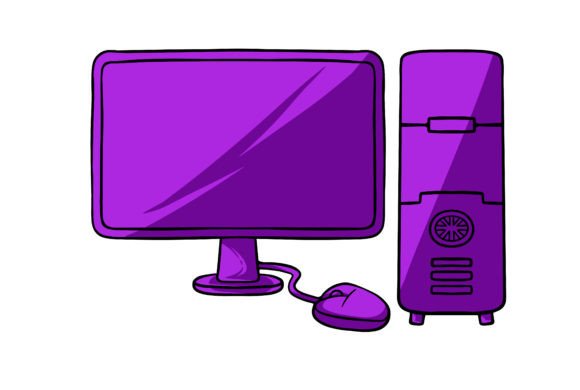
Computer Device Clipart: A Versatile Graphic Design Asset for Creative Projects
As a graphic designer with years of experience crafting visuals for small businesses, digital campaigns, and print-on-demand ventures, I often find myself sifting through design assets to determine their usability in real-world applications. One such asset that recently caught my attention is the Computer Device Clipart. This illustration brings a fresh perspective to tech-themed branding and offers flexibility across both digital and physical media.
First Impressions and Visual Mood
The first thing that stands out about Computer Device Clipart is its clean, stylized approach. It’s not just a generic image of a laptop or desktop; it has character—whether through subtle gradients, modern line work, or minimalistic detailing. The visual mood it creates is professional yet approachable, making it ideal for a range of creative design scenarios from editorial layouts to social media posts.
This clipart feels like it was crafted for a creative marketplace audience. Its style is contemporary enough to appeal to modern brands but retains enough detail to avoid looking flat or unoriginal. The balance between simplicity and expressiveness makes it a compelling candidate for use in brand identity systems, especially for handmade businesses or boutique product lines that want to incorporate a touch of digital flair without feeling too corporate.
Performance in Real-World Design Projects
In practical terms, Computer Device Clipart can be a powerful addition to various types of design projects. For example, when working on a Canva template for an online course promotion, this asset helped reinforce the digital learning aspect of the campaign while maintaining aesthetic harmony with the color palette and typography choices.
When integrated into product mockups, such as for a new line of smart home accessories, the clipart added a layer of context and visual interest. Placing the computer device beside other tech elements made the packaging design feel cohesive and thematically aligned. Similarly, in logo design and brand identity projects, the illustration served as a subtle supporting element rather than the focal point, which is exactly where it should sit for most non-tech companies.
I’ve also used it effectively in social media graphics and editorial design for blog posts related to productivity tools or remote work setups. The imagery brought clarity and a visual anchor to otherwise text-heavy content, enhancing user engagement and emotional appeal.
Best Uses for Computer Device Clipart
- Hero Graphics: Its bold presence works well as a central visual in large layout areas, such as banners or website headers.
- Product Mockups: Especially useful for showcasing software, apps, or tech-related services in a realistic setting.
- Themed Collections: Ideal for seasonal campaigns or collections around digital innovation, like back-to-school or e-learning promotions.
- Printable Designs: Performs exceptionally in Cricut projects, stickers, tote bags, and wall art due to its clear vector structure and scalable nature.
- Supporting Brand Elements: Can enhance packaging details, promotional flyers, or even app icons without overshadowing primary messaging.
Where to Use It with Caution
While versatile, there are certain contexts where Computer Device Clipart may need more careful consideration. In minimalist branding or high-end corporate materials, the illustration might appear too casual or playful unless intentionally designed to match the tone.
Also, if placed on a complex background or within a crowded layout, the clipart can lose its impact. It’s best reserved for designs that allow it room to breathe. When using it in small sizes—for instance, in a favicon or tiny icon on a mobile site—its intricate details may become less readable, so simplifying the graphic or testing it at scale is essential.
Design Considerations for Professional Use
Before integrating any design asset into a client project, I always test its versatility. Here are some key checks I performed with Computer Device Clipart:
- Test in Black and White: The illustration holds up surprisingly well in grayscale, retaining much of its shape and contrast. This makes it suitable for printed materials where color fidelity may vary.
- Contrast Check: It works well on both light and dark backgrounds, though some adjustments to stroke weight or fill opacity may be needed depending on the context.
- Size Testing: Previewed it in both large hero formats and smaller accents. At larger sizes, it adds depth and dimension; at smaller sizes, ensure it doesn’t lose legibility.
- Mockup Placement: Used it in a variety of product mockups including laptop skins, phone cases, and desk accessories. The results felt polished and ready for production.
- Print Quality: The PNG design provided sharp edges and no pixelation, which is crucial for print-on-demand items like mugs or posters.
- File Formats: The SVG version was easily editable, allowing me to adjust colors and scale without quality loss—an important factor for custom sticker design and t-shirt design projects.
- Type Pairing: Compared how it interacts with different font styles—serif, sans serif, script, handwritten, and display fonts. It pairs particularly well with modern sans serifs and clean display fonts, reinforcing a tech-forward message.
- Commercial Licensing: Always confirmed the commercial license before adding it to a client project. It’s available for commercial use, which is a big plus for those selling design bundles or individual assets on platforms like Etsy or Creative Market.
Enhancing Readability and Visual Hierarchy
One concern when incorporating illustrations into branding is ensuring they don’t disrupt the visual hierarchy. In the case of Computer Device Clipart, its placement is critical. As a decorative accent or contextual support, it enhances the design narrative without competing with key messages.
For instance, in a flyer promoting a local coding workshop, placing the clipart subtly in the corner allowed the main call-to-action and event details to remain prominent. Yet the illustration still contributed to the overall mood by hinting at the digital theme of the event.
Emotional Appeal and Audience Engagement
Graphic design isn’t just about aesthetics—it's about connecting with an audience. Computer Device Clipart adds a relatable, familiar element to designs that involve technology or digital processes. Whether it’s used in a printable wall art piece for a co-working space or in a digital ad for a SaaS startup, it helps create a sense of trust and relevance.
Its stylized look gives off a friendly vibe, which is perfect for handmade businesses that want to blend traditional and digital elements. The emotional appeal comes from its ability to represent the bridge between creativity and technology—a powerful message for modern entrepreneurs and creatives alike.
Professionalism and Recognition
Although it leans toward a more illustrative and whimsical style, Computer Device Clipart can maintain a professional edge when used correctly. It’s not the kind of asset you’d place in a Fortune 500 presentation, but it shines in small business branding and marketing visuals that aim to be engaging and accessible.
When applied consistently throughout a project, such as in an Etsy product line featuring tech-themed stickers or wall art, it builds brand recognition over time. Clients have told me that having a recurring visual motif like this helps customers remember their brand more easily.
Final Thoughts on Computer Device Clipart
Computer Device Clipart is a solid choice for designers who need a reliable graphic design asset that can adapt across multiple platforms and formats. From SVG design files for custom edits to PNG design layers for quick integration into Adobe Illustrator or Photoshop, it delivers value at every stage of the design process.
It’s especially useful for print-on-demand sellers, Cricut users, and those building design bundles for digital resale. Just make sure to vet its suitability for your specific project needs—consider file format, licensing, scalability, and how it fits within your existing brand identity.
If you're looking for a digital pc clipart illustration that adds visual interest without overwhelming your layout, this one deserves a closer look. Whether you're designing for a local event, an online product launch, or simply adding a thematic touch to your next web design project, Computer Device Clipart could be the perfect fit.