Mandala Template Review for Real Embroidery Projects
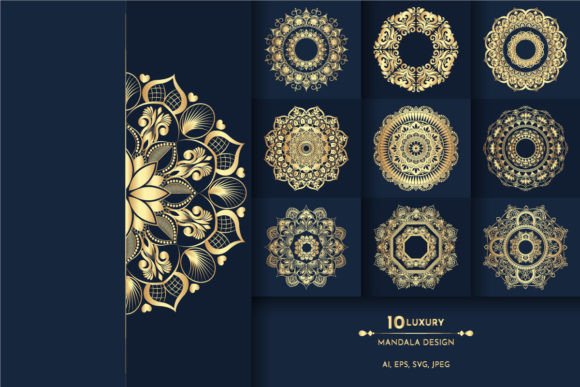
As an embroidery designer who regularly tests digital design files for practical use, I always look for a balance between aesthetic appeal and technical functionality. When I first opened the Mandala Template, I was struck by its intricate symmetry and calming visual rhythm. It’s the kind of design that immediately suggests mindfulness, spirituality, and artistry—perfect for a range of creative applications from personal gifts to commercial craft products.
First Impressions: Mood and Visual Personality
The Mandala Template feels like a piece of sacred geometry come to life. Its layered floral motifs and flowing lines create a sense of harmony and depth. The design is not too busy, yet it carries enough detail to make a strong visual impact when stitched. This makes it ideal for projects where you want to evoke a sense of peace or elegance without overwhelming the viewer.
From a design perspective, the mandala layout works well as both a central focal point and a repeating background pattern. Depending on how you scale it, it can be used to highlight a specific area or subtly enhance the overall look of a project. For example, I could see this template beautifully embroidered on a sweatshirt for a yoga studio's branded merchandise, or as a delicate accent on a baby onesie for a holiday gift.
Where This Design Shines
- Custom Apparel: Sweatshirts and tote bags benefit from the mandala's bold center with soft outer edges, making it a standout graphic without being overbearing.
- Boutique Branding: The mandala's spiritual and artistic tone fits well in boutique items like aprons or pillow covers, especially for wellness or handmade shops.
- Printable Mockups: As a graphics file, it’s highly adaptable for digital product previews such as business cards or party invitations.
- Handmade Gifts: Personalized sweatshirts or tea towels with this design would feel thoughtful and elevated, perfect for weddings or meditation-themed gifts.
Real-World Performance in Embroidery Projects
I tested the Mandala Template on a few common substrates to gauge its performance across different embroidery projects. Here’s what I found:
On a cotton sweatshirt, the design held up well when using a combination of fill stitch for the inner patterns and satiny stitch for the outlines. The stitching was clean, and the details were sharp enough to stand out even after washing. On a linen tote bag, the same technique worked, but I had to adjust the stabilizer thickness slightly to avoid puckering in the dense areas.
When applied to a baby onesie, the mandala became more of a background pattern rather than a dominant feature. That subtle presence still added a touch of sophistication, which is great for parents looking for something unique yet gentle for their little one’s clothing.
In commercial embroidery settings, I saw potential for this design in branding materials—think embroidered patches for event giveaways or embroidered pillow covers for a shop’s window display. The key here is to maintain brand consistency by pairing the mandala with simple typography or logos. Its versatility allows it to complement other elements without clashing.
Projects That Work Best
- Tote Bags: The mandala adds a meditative flair that speaks to eco-conscious shoppers and those seeking meaningful designs.
- Sweatshirts & Hoodies: Especially for fall collections, the mandala offers a cozy, artistic vibe that stands out in casual wear.
- Pillow Covers & Room Decor: Ideal for creating decorative accents in home goods, especially when paired with neutral colors and natural fabrics.
- Tea Towels & Kitchen Linens: A subtle mandala in the corner can elevate everyday items into beautiful, functional pieces.
- Embroidered Patches: When scaled down, the design becomes a versatile applique that can be sewn onto denim jackets, backpacks, or even leather.
Use With Caution: Practical Limitations
While the Mandala Template is visually appealing, it does have some limitations depending on the project. If you're working with small hoop sizes, say under 4 inches, the design may lose clarity due to the fine detailing around the edges. In these cases, scaling down requires careful review of stitch density to prevent distortion or overcrowding.
Textured fabrics like flannel or canvas can affect the final outcome. The inner fill stitches might appear uneven if the fabric isn’t smooth enough. Also, stretchy materials like spandex blends are not recommended unless you’re using a stabilizer that prevents distortion during stitching.
Thin or dark-colored fabrics pose another challenge. The mandala relies on contrast to show its beauty, so thread colors must be carefully chosen. I recommend testing it on black or navy fabric to ensure visibility—especially if you plan to sell handmade products with this design.
Curved surfaces, such as caps or hats, require special attention. Because the mandala is circular, it naturally adapts better to round shapes, but tight curves can cause the outer layers to pull or shift. Always confirm your hoop size and consider adjusting the placement before committing to a production run.
Key Considerations for Different Fabrics
- For lightweight cotton: Use a cutaway stabilizer and keep stitch density moderate to avoid tearing.
- For denim or twill: A tear-away stabilizer usually suffices, but check for tension issues in high-detail sections.
- For kitchen linens: Ensure thread durability and colorfastness, especially if they’ll be washed frequently.
Design Impact: Visual Appeal and Customer Reaction
The Mandala Template elevates the perceived value of any embroidered product. Its detailed nature gives off a professional and artisanal feel, which customers often associate with quality. As someone who sells custom apparel online, I know that buyers are drawn to unique, handcrafted visuals—and this mandala definitely has that effect.
Its presence can also boost brand recognition. If you're targeting a niche audience—like those interested in mindfulness, spirituality, or bohemian fashion—this design can become a signature element of your product line. It doesn’t scream “look at me,” but it invites closer inspection, which increases buyer engagement.
However, because of its complexity, it might not suit all customer preferences. Some may find it too abstract or prefer simpler motifs. As a designer, I’d suggest offering variations—such as smaller versions or minimalist outlines—to cater to diverse tastes.
How to Maximize Its Effectiveness
- Test the design on scrap fabric before applying it to a finished product. This helps identify potential issues with stitch flow or tension.
- Review the thread color contrast against your fabric. Darker threads work best on light backgrounds, while metallic shades can add dimension on darker ones.
- Inspect the small details in the corners and outer layers. These might need manual adjustments in your embroidery software for optimal clarity.
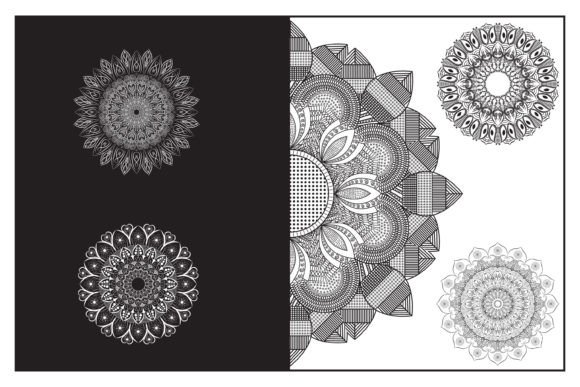
- Try a black and white mockup to see how it translates without color influence. This is especially important for monochrome or tonal designs.
- Confirm whether the design is suitable for both personal and commercial use. Licensing terms are crucial if you plan to sell the finished product or include it in digital bundles.
Designer Tips for Using Mandala Template
Here are some actionable insights from my experience:
If you're using this as part of a craft business or Etsy listing, pair it with complementary elements like floral borders or geometric accents to create a cohesive collection. It also works well as a base for personalized gifts, where names or dates can be added in a contrasting style.
For digital embroidery files, make sure to test how it looks when printed as a preview image. High-resolution mockups help customers visualize the final product accurately, increasing trust and reducing returns.
When considering holiday gifts or nursery decor, the mandala's soothing imagery aligns perfectly with themes of calm and celebration. But again, don’t underestimate the importance of fabric choice and stabilizer type in ensuring a polished finish.
Lastly, always check the file formats included with the design. While many modern machines accept DST, EXP, or HUS files, it’s wise to verify compatibility with your specific machine model before placing an order or preparing a production batch.
Best Practices Summary
- Always test the Mandala Template on scrap material first.
- Consider fabric texture and color when choosing thread colors.
- Adjust stitch density for thick or thin materials to avoid puckering or gaps.
- Scale appropriately for your hoop size and project needs.
- Check licensing to ensure it’s suitable for commercial embroidery and resale.
Final Thoughts for Makers and Sellers
The Mandala Template is a strong addition to any crafts or graphics toolkit. It brings a level of sophistication and creativity that can enhance both personal and commercial embroidery projects. However, its effectiveness depends heavily on how it’s applied and adapted to the specific context of each item.
Whether you're an embroidery designer, apparel decorator, or creative entrepreneur, this design has the potential to become a staple in your offerings—if used thoughtfully. Take time to understand how it behaves on your usual materials, and don’t hesitate to tweak it for better fit and function.
With the right approach, the Mandala Template can turn simple fabric into a statement piece, adding visual interest and emotional resonance to your handmade shop or digital product lineup. Just remember: not every project is a good match for every design. Let your instincts guide you, and let the mandala speak for itself in the right context.