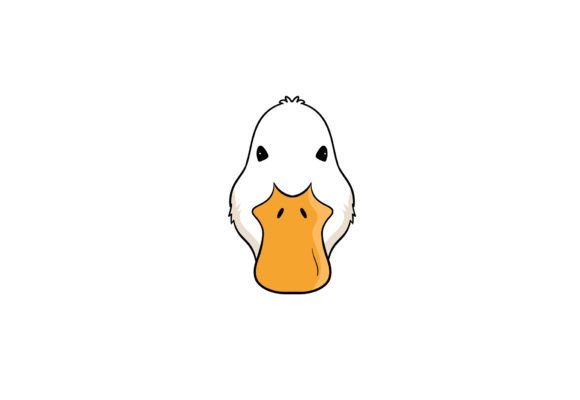
Duck Illustration Art: A Versatile Graphic Design Asset for Modern Content
When evaluating a graphic design asset like Duck Illustration Art, it's important to consider how it fits into the broader visual language of your content. This particular wildlife vector brings a unique charm and flexibility that can elevate everything from blog headers to social media posts. As an experienced blog designer and digital publisher, I've tested countless illustrations in real-world scenarios, and this duck clipart stands out for its balance between whimsy and professionalism.
First Impressions: Playful Yet Polished
The moment you open Duck Illustration Art, you're greeted with a clean, modern silhouette that feels both approachable and refined. The lines are smooth, the proportions are balanced, and the overall mood is light-hearted but not childish. This illustration has a subtle elegance that makes it feel at home in lifestyle blogs, educational resources, or even seasonal campaigns. It communicates warmth and creativity without sacrificing editorial integrity.
What’s particularly striking is how well the duck integrates into different design ecosystems. Whether placed beside typography or used as a standalone icon, it maintains its clarity and charm. This is essential for content creators who need visuals that work across multiple platforms — from website banners to newsletter headers.
Editorial Mood and Niche Fit
This duck illustration naturally supports niches such as nature, wellness, family-friendly content, and eco-conscious messaging. Its style leans toward the feminine and artistic, making it ideal for brands targeting women, parents, or creative professionals. It doesn’t scream “corporate,” which is a good thing if you're aiming for a more personal or boutique aesthetic. However, it still holds enough sophistication to avoid feeling too casual for professional environments.
If you’re running a blog about sustainable living, outdoor activities, or children's education, this asset could become a signature element of your brand identity. Its playful yet polished vibe helps build reader trust by signaling that your content is thoughtful and visually engaging.
Real-World Publishing Applications
- Blog Featured Images: Use Duck Illustration Art to frame headlines on lifestyle or nature-focused articles. Its soft curves add a touch of personality to otherwise text-heavy visuals.
- Pinterest Graphics: The duck can serve as a central visual anchor in vertical pins, especially those promoting DIYs, crafts, or seasonal themes. It works particularly well with muted pastel tones or earthy palettes.
- Article Headers: Incorporate it subtly into header sections to introduce topics related to waterfowl, pets, or animal behavior. A small duck graphic next to a heading can help establish context and visual interest.
- Newsletter Banners: Pair it with bold, clean fonts to create eye-catching email headers. Its shape allows for creative layering with gradients or shadows to enhance depth.
- Lead Magnets & Digital Guides: Add the duck to worksheet covers, printable templates, or downloadable PDFs. It can make educational materials feel less intimidating and more inviting.
- Canva Templates: If you're designing templates for other users, including this duck illustration gives them a quick way to personalize content without needing advanced design skills.
Boosting Content Performance with Visual Assets
One of the biggest challenges in content publishing is standing out in a sea of similar visuals. Duck Illustration Art helps overcome this by offering a strong first impression and enhancing visual hierarchy. When used strategically, it can guide the viewer’s eye toward key elements like headlines, calls to action, or featured products.
For affiliate marketers or digital educators, this illustration can be a game-changer. It adds a layer of consistency to branding efforts, helping reinforce a stronger visual identity. For instance, using the same duck in eBook covers, social media previews, and category thumbnails creates better recognition and builds familiarity with your audience.
Readers tend to trust websites that look professionally designed. Even though the duck has a hand-drawn quality, its crisp vector format ensures scalability and sharpness across all screen sizes. That means it won't compromise the look of your site on mobile devices or high-resolution displays.
Where Duck Illustration Art Shines
- Hero Images: Place the duck in the background or foreground of your homepage hero to add a natural, organic feel.
- Article Thumbnails: Use it as part of a thumbnail image to hint at the topic (e.g., birdwatching, pond ecosystems) while maintaining visual appeal.
- Social Media Previews: Perfect for Instagram Stories, Facebook posts, or YouTube thumbnails where a memorable visual is crucial for click-through rates.
- Printable Design Elements: Ideal for adding character to free printables like coloring pages, activity sheets, or greeting cards.
- Media Kits: Include it in your brand’s media kit as a sample asset for bloggers and influencers to use in promotional content.
Design Caution Zones
While Duck Illustration Art is highly versatile, there are certain situations where it may not perform optimally. For example, when used in small mobile thumbnails, the detail might get lost, reducing its effectiveness. In text-heavy blog images, placing the duck too prominently could distract from the message rather than support it.
Also, be mindful of backgrounds. On low-contrast or busy layouts, the duck might blend in or lose its impact. If your site uses a very minimal visual system or targets serious corporate audiences, this illustration might not align with the intended tone. But for most creative entrepreneurs, bloggers, and online educators, it offers just the right amount of personality without overdoing it.
Practical Publisher Tips
Before finalizing any design decisions, here are some steps to ensure Duck Illustration Art serves your content effectively:
- Test on Desktop and Mobile Screens: See how it scales and adapts to different resolutions and aspect ratios.
- Check Thumbnail Quality: Crop it into smaller versions to verify visibility and legibility in article listings or social feeds.
- Preview in Real Layouts: Drop it into existing blog headers or Canva templates to see how it interacts with other design elements.
- Combine With Different Fonts: Try it alongside serif, sans-serif, script, handwritten, and display fonts to find the best typographic match.
- Review File Size: Ensure it's optimized for web performance. Large file sizes can slow down page load times and hurt SEO.
- Confirm Commercial Licensing: Before using it on monetized sites, affiliate links, or paid digital products, always check licensing terms to avoid legal issues later.
Enhancing Brand Identity and Reader Engagement
In today’s competitive digital landscape, visual assets like Duck Illustration Art can set your content apart. They contribute to a cohesive brand identity and increase engagement by making your content more scannable and clickable. For small business branding, this duck can become a mascot-like symbol that readers begin to associate with your content offerings.
Consider using it in combination with other wildlife graphics for thematic consistency. If you're creating a series of blog posts about backyard birds or pond ecosystems, having a recurring duck motif will help unify the collection and improve user navigation.
Additionally, its adaptability makes it suitable for content marketing across channels. You can scale it for social media stories, embed it in infographic-style guides, or use it as a decorative accent in editorial layouts. Just remember to keep the color palette consistent and aligned with your brand guidelines.
Final Thoughts on Workflow Integration
As someone who frequently sources and implements design assets for clients and personal projects, I appreciate when an illustration like this one can do double duty. It's not just cute; it's functional. From digital product packaging to website headers, Duck Illustration Art has proven itself to be a valuable addition to a content creator’s toolkit.
Its ability to enhance visual storytelling without overshadowing the message makes it ideal for editorial content and brand-driven marketing. Just a few tweaks — adjusting placement, color, or size — can turn a simple graphic into a powerful visual cue that resonates with your audience.
So if you're looking for a wildlife-themed vector that can bring warmth and character to your designs, give this duck a try. Whether you're preparing Pinterest pins or crafting a new lead magnet, it's the kind of illustration that helps your content feel intentional and inviting — exactly what you want when building trust and driving clicks in the digital space.