Young Boy Clipart Student Artwork: A Versatile Graphic Design Asset for Content Creators
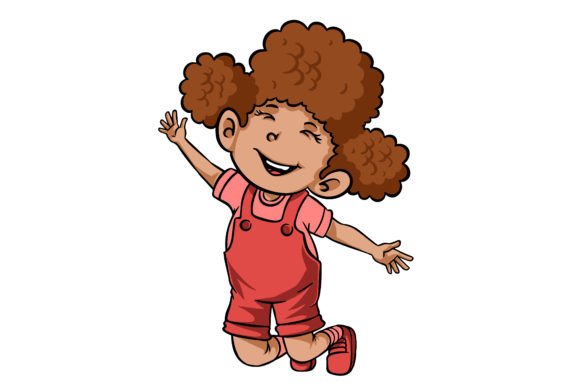
As an experienced blog designer and digital publisher, I'm always on the lookout for graphic design assets that not only look great but also serve a clear editorial purpose. The Young Boy Clipart Student Artwork caught my eye as soon as I opened the file. It's a vector illustration that radiates charm, innocence, and a touch of educational energy—perfect for content niches like parenting, education, lifestyle learning, or even creative writing prompts.
The Editorial Mood and First Impressions
This clipart has a distinctively playful yet professional feel. The young boy is depicted in a stylized manner, with soft lines and bright colors that evoke a sense of warmth and positivity. The overall mood leans toward educational and youthful themes, making it ideal for blogs or websites targeting parents, teachers, or students. It doesn't scream "childish," but rather whispers "learning through creativity."
Visually, it supports content that needs to be engaging without being overwhelming. Its style fits well into modern design trends, where illustrations are used to add personality while maintaining a clean aesthetic. As someone who builds visual systems for clients, I appreciate how this asset feels both fresh and trustworthy—a balance crucial for reader engagement and brand credibility.
Real Publishing Use Cases That Shine
The Young Boy Clipart Student Artwork can elevate various elements of your content publishing workflow. Here’s how I’ve seen similar assets perform across different platforms:
- Blog Featured Images: Adding this clipart to featured images helps create a stronger first impression. Whether you're promoting a post about early childhood education or DIY activities for kids, the artwork brings a personal and inviting touch.
- Pinterest Graphics: With its bold visuals and clean composition, this illustration works well in Pinterest pin designs. It adds context and emotion, encouraging users to click and explore related content.
- Article Headers: Use it as a subtle background element or a central focal point in article headers. The playful tone aligns well with topics such as homeschooling tips, creative learning, or family-friendly travel guides.
- Newsletter Banners: Incorporate it into newsletter headers to signal a focus on children's development, learning tools, or family life. It reinforces a warm, approachable brand identity.
- Lead Magnets & Digital Guides: When designing free downloadable resources like activity worksheets or parenting checklists, this artwork enhances the visual appeal and perceived value of the digital product.
- Category Thumbnails: For websites with multiple sections (e.g., Kids’ Activities, Education Tips), using this illustration in category thumbnails improves recognition and navigation.
- Canva Templates: If you're creating templates for others, adding this clipart gives them an easy way to inject character into social media posts, flyers, or educational materials.
- EBook Covers & Printables: This design asset can help define the theme of an eBook focused on child-related content or serve as part of printable designs like coloring pages or reading logs.
Boosting Content Performance Through Visual Communication
Incorporating the Young Boy Clipart Student Artwork into your visuals isn’t just about aesthetics—it’s about performance. Let’s break down how it contributes to better content outcomes:
- Stronger First Impression: Readers form opinions within seconds. A well-placed illustration like this one grabs attention quickly and signals the tone of your content.
- Clearer Visual Hierarchy: In editorial layouts, this artwork can act as a visual anchor. It helps separate sections, highlight key points, and guide the reader's eye naturally across the page.
- Better Click-Through Potential: On social media or in email newsletters, visuals that include relatable characters tend to outperform generic stock photos. This clipart can make your content more clickable by adding emotional resonance.
- More Consistent Branding: If your site focuses on family-oriented or educational topics, using this design asset repeatedly across banners, pins, and downloadable content builds a cohesive visual language.
- Improved Reader Trust: Illustrations that feel authentic and hand-crafted often resonate more with audiences than overly polished graphics. This student-style artwork suggests creativity and effort, which readers associate with trustworthiness.
- Better Category Recognition: When used consistently, the illustration becomes a visual cue for specific content categories. Over time, it can become synonymous with your site’s offerings in those areas.
- Stronger Visual Identity: The unique style of this artwork allows it to stand out in a crowded market. It supports a strong visual identity that’s memorable and shareable.
- Professional-Looking Pages: Despite its playful nature, the clean vector lines and crisp details give it a polished look suitable for professional websites and content marketing campaigns.
Where This Illustration Excels
Certain placements will maximize the impact of Young Boy Clipart Student Artwork. Consider using it in these high-value spots:
- Hero Images: Especially for landing pages around educational tools or kid-focused products.
- Article Thumbnails: Perfect for previewing content that involves children or learning.
- Pinterest Pins: Stand out in feeds with its colorful, expressive character.
- Editorial Accents: Use it to frame quotes, headings, or call-to-action buttons in blog posts.
- Content Upgrades: Add it to PDF downloads or lead magnets to increase their perceived value.
- Downloadable Resources: Great for printables, activity sheets, or lesson plans.
- Category Visuals: Reinforce thematic consistency across your site’s architecture.
- Social Media Previews: Make your Instagram stories, Facebook posts, or YouTube thumbnails more engaging and relevant.
When to Exercise Caution
While this design asset is incredibly versatile, there are some scenarios where it might not be the best fit:
- Small Mobile Thumbnails: The intricate details may get lost at smaller sizes. Simplify or crop carefully for optimal visibility.
- Text-Heavy Blog Images: Avoid overloading text-heavy visuals with too much illustrative detail. Balance is key for readability.
- Low-Contrast Backgrounds: Place it on high-contrast backgrounds to ensure it remains legible and impactful.
- BUSY Layouts: In complex website headers or infographics, let the clipart play a supporting role instead of the main feature.
- SERIOUS Professional Niches: If your site caters to corporate training, finance, or formal business content, this may not align with your visual tone.
- Minimalist Web Designs: While it can work in minimalist contexts, ensure it doesn’t clash with your site’s restrained aesthetic.
Practical Notes for Publishers and Designers
Before integrating Young Boy Clipart Student Artwork into your content, here are a few actionable tips from a seasoned digital publisher:
- Test on Desktop and Mobile Screens: Ensure it looks good and scales well across all devices. Check for clarity and responsiveness.
- Check Thumbnail Quality: Preview how it appears when compressed into smaller sizes. You don’t want important features to vanish.
- Use in Real Blog Layouts: Place it alongside actual headlines and body copy to see if it enhances or distracts from the message.
- Try with Different Fonts: Test it beside serif, sans serif, script, handwritten, and display fonts. See what combinations feel most harmonious and readable.
- Review File Size: Optimize the image for web use to avoid slowing down page load times. Large vector files can bloat site speed if not handled properly.
- Confirm Commercial Licensing: Before using it on monetized sites, affiliate marketing pages, or paid digital downloads, verify that the commercial license covers your intended use.
- Experiment with Color Variants: Many vector illustrations come in multiple color schemes. Try black-and-white versions to assess versatility for grayscale printing or dark mode compatibility.
Design Workflow Integration Tips
Here’s how I would incorporate this asset into my own publishing process:
- Start by downloading the vector version so I can scale it without loss of quality.
- Open it in Adobe Illustrator or Figma to adjust colors, size, and placement based on the current project palette.
- Create variations for different content types—such as a simplified version for mobile banners or a vibrant one for hero sections.
- Export optimized PNG and JPEG versions for quick insertion into WordPress, Canva, or other design tools.
- Embed it into templates for future reuse, ensuring consistent branding across all digital assets.
Final Thoughts for Content Creators
The Young Boy Clipart Student Artwork is more than just another illustration—it’s a thoughtful graphic design asset that can bring warmth and relevance to your content publishing efforts. Whether you're crafting blog graphics, designing editorial layouts, or building social media visuals, this illustration adds a layer of intentionality and connection that generic graphics simply can’t match.
If you're involved in content marketing, affiliate marketing, or small business branding, consider this asset as part of your creative toolkit. It’s especially powerful for educators, online course creators, and bloggers in lifestyle or parenting niches. Used wisely, it can help you stand out in a sea of sameness and build a more engaging, visually consistent brand experience.